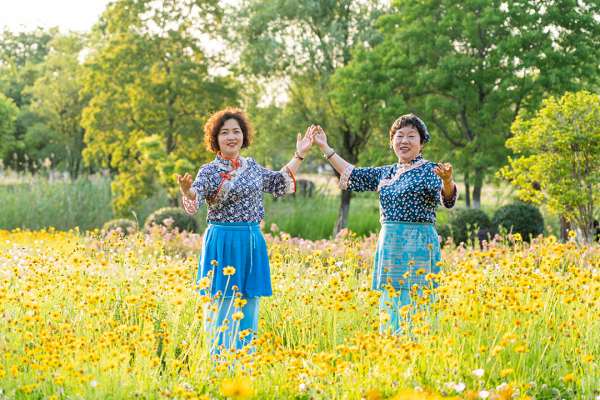
Wu Songs
Introduction
Wu songs are a distinctive form of traditional music originating from the Jiangnan region of China. They are an integral part of the rich cultural tapestry of Wuxi, Jiangsu province. As a component of China's intangible cultural heritage, Wu Songs hold a significant place in the preservation and perpetuation of regional musical traditions. Their lyrical themes and musical compositions reflect the historical and social narratives of the Jiangnan area, making them an important cultural asset.
Background
Wu songs are deeply rooted in the cultural history of the Jiangnan region, particularly in Wuxi, Jiangsu province. This region is known for its diverse and vibrant artistic expressions, including traditional opera, clay figurine making, and pottery. The Ministry of Culture and Tourism has recognized Wu songs as one of the key cultural heritage items, illustrating their importance in the broader spectrum of Chinese intangible cultural heritage. These songs, along with other traditional arts and crafts from Wuxi, contribute to the rich tapestry of cultural expressions that define the Jiangnan region.
Wu songs have been passed down through generations, with specific techniques and performances refined over time. This form of music is not just an artistic endeavor but a cultural practice that involves storytelling, historical preservation, and communal identity. The recognition of Wu songs as an intangible cultural heritage underscores their value in maintaining cultural continuity and fostering a deeper understanding of regional history and identity.
Traditional Songs
Types of Songs
Wu songs encompass a variety of song types, each with its unique characteristics and purposes. Broadly, they can be categorized into narrative songs and improvised songs. Narrative songs, as the name suggests, are akin to ballads, telling stories that often include elements of local history, folklore, and mythology. These songs are structured and have a set sequence that performers follow to convey the story effectively.
Improvised songs, on the other hand, allow performers greater flexibility in their execution. These songs are often spontaneous and involve the creative expression of the singer, who may adjust lyrics and melodies to suit the context or audience. The improvisational nature of these songs highlights the skill and creativity of the performer, as well as the dynamic nature of Wu Songs as a living tradition.
Themes and Lyrics
The themes of Wu songs are diverse and reflective of the cultural and historical context of the Jiangnan region. Common themes include love, nature, rural life, and historical events. The lyrics often incorporate local dialects and idiomatic expressions, giving them a distinct regional flavor. This use of local language not only enriches the songs but also aids in the preservation of regional linguistics and cultural nuances.
Wu songs frequently depict pastoral scenes and everyday life in the Jiangnan region, celebrating the beauty of nature and the simplicity of rural existence. Love and romance are also popular themes, with songs often narrating tales of longing, courtship, and devotion. Additionally, some Wu songs capture historical narratives or legendary tales, serving as a medium for passing down stories from one generation to another.
Cultural Significance
Wu songs hold immense cultural significance as they encapsulate the essence of the Jiangnan region's history, culture, and identity. They serve as a vehicle for cultural expression, providing insights into the values, beliefs, and social dynamics of the communities that cherish them. By preserving these songs, communities maintain a connection to their heritage, reinforcing a sense of belonging and identity.
Moreover, Wu songs contribute to the cultural dialogue within and beyond the Jiangnan region. They offer an artistic medium through which cultural exchange and understanding can occur, fostering appreciation for regional diversity and artistic expression. As national intangible cultural heritage, Wu songs also play a critical role in promoting cultural tourism, drawing attention to the rich cultural landscape of Wuxi and the broader Jiangnan area.








